
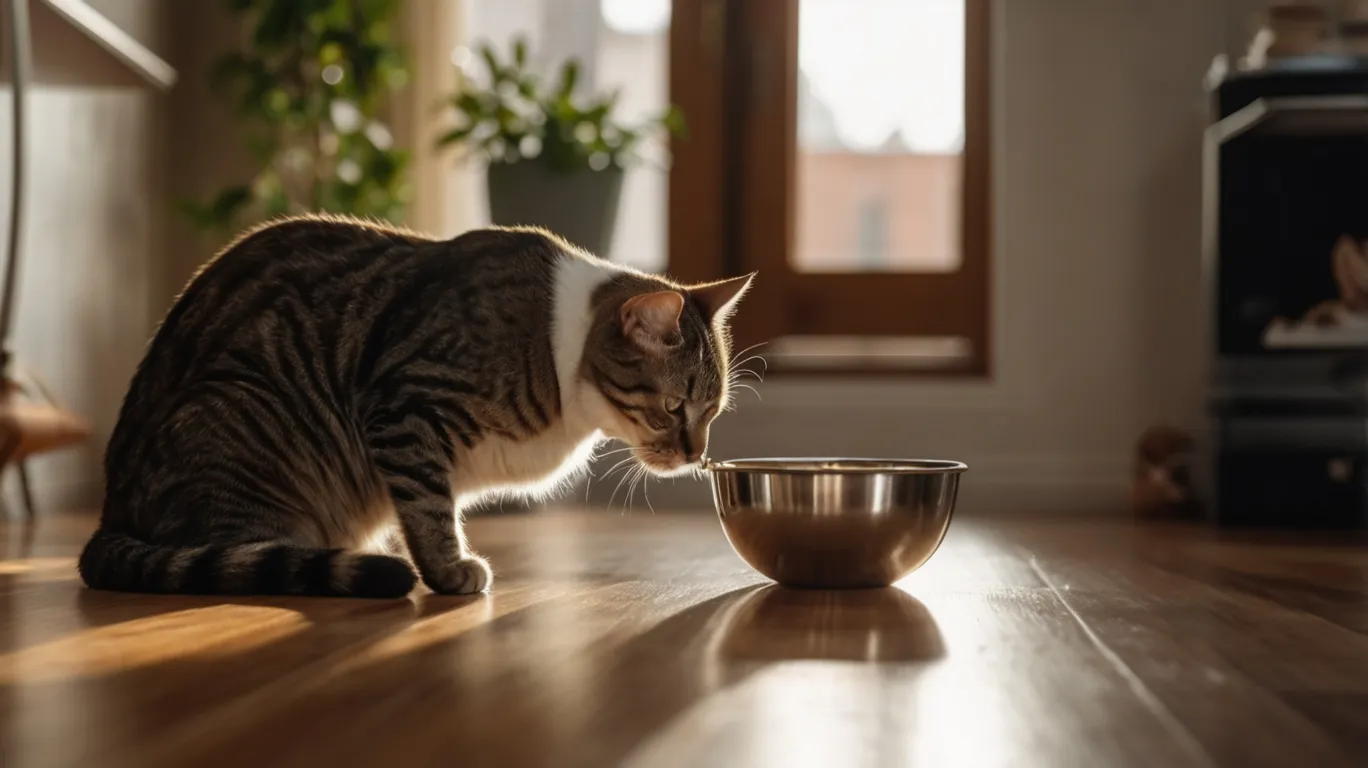
Cats Need Water: Why Drinking Too Much Can Be a Problem
What Happens When Cats Drink Too Much?
Cats need water to stay healthy, just like we do! Water keeps their bodies working well and helps them stay active and happy. But sometimes, a cat might start drinking too much water, and that can mean something is wrong. Usually, cats drink about 2 to 4 ounces of water each day for every 5 pounds they weigh. If your cat drinks way more than that, it’s time to talk to the vet!
Cats who drink too much water might also pee a lot, eat more or less than usual, or act really tired. This could be because of problems like kidney troubles, diabetes, or something called hyperthyroidism. These conditions can make cats very uncomfortable, so catching the signs early is super important to keep your kitty healthy and happy.
It’s always a good idea to make sure your cat’s water bowl is clean and filled with fresh water every day. This ensures they’re drinking enough but also helps you notice if they’re drinking too much.
How to Know If Your Cat Drinks Too Much
It’s important to pay attention to how much water your cat drinks. Changes in their drinking habits can tell you a lot about their health. Here are some signs to watch for:
- Always at the Water Bowl: Does your cat visit the water bowl way more than normal? Drinking too much can be a sign of a problem.
- Drinking from Weird Places: If your cat starts licking water from the sink, bathtub, or fish tank, they might be extra thirsty.
- Changes During Meals: Is your cat drinking a lot while eating or right after? That’s a sign, too.
- Peeing More: If you’re cleaning the litter box more often, it could mean your cat is drinking too much.
If you see any of these signs, it’s a good idea to ask the vet for help. The sooner you check, the better your chances of helping your cat stay healthy.
Why Cats Might Be Extra Thirsty
Sometimes, cats drink more water because of health problems. These are the most common reasons:
- Diabetes: When cats have diabetes, they pee a lot and get really thirsty. This happens because their bodies can’t use sugar the right way. Cats with diabetes might also lose weight or eat more than usual.
- Kidney Problems: Older cats sometimes get kidney problems. This makes them drink more water and pee a lot because their kidneys aren’t working well. They might lose weight, their fur might look dull, and they could seem tired.
- Hyperthyroidism: This happens when a cat’s body works too fast. It can make them hungry, thirsty, and full of energy, but they might still lose weight. Cats with hyperthyroidism might also seem restless or act differently.
These conditions can make your cat feel unwell, but a vet can help by diagnosing and treating them.
Other Things That Affect Drinking
Not all extra drinking is because of sickness. Other things can make your cat drink more water:
- Hot Days: Cats get thirsty when it’s hot outside, just like us! Make sure they have plenty of fresh water on warm days.
- New Things at Home: Big changes like moving, new pets, or renovations can stress your cat out. Stress can sometimes make cats drink more water or change their habits.
- Food Changes: Cats eating dry food often drink more water than cats eating wet food. If you switch your cat’s food, watch how much water they drink.
By keeping an eye on these factors, you can make sure your cat stays hydrated and comfortable.
Other Signs to Watch For
If your cat is drinking a lot, look for other clues that something might be wrong. These signs can help you figure out if they need a vet:
- Eating More or Less: Big changes in how much your cat eats can be a sign of trouble.
- Weight Loss: Losing weight for no reason is not normal and could mean something’s wrong.
- Hiding or Acting Sad: Cats might hide, act tired, or avoid playing if they don’t feel well.
- Vomiting or Diarrhea: These can also happen along with extra drinking and might mean your cat isn’t feeling good.
Pay attention to these changes and call your vet if you notice more than one of these symptoms.
When Should You Call the Vet?
If your cat is drinking too much water for a few days or weeks, it’s a good idea to call the vet. You should also call if your cat is:
- Peeing a lot more
- Throwing up
- Sleeping all the time
- Not eating like normal
- Acting differently than usual
Cats are good at hiding when they don’t feel good, so watching their habits closely is super important. A vet can help figure out what’s wrong and suggest the best treatment to help your cat feel better.
How Vets Find Out What’s Wrong
When you take your cat to the vet, they might do these things to figure out why your cat is drinking so much water:
- Check-Up: The vet will look at your cat and ask you questions about their habits and any changes you’ve noticed.
- Blood Tests: These tests can find problems like diabetes or kidney issues by looking at your cat’s sugar levels and organ health.
- Urine Tests: This helps the vet see how well your cat’s kidneys are working and if they’re dehydrated.
- Pictures: Sometimes, vets take X-rays or ultrasounds to see if something inside your cat’s body is causing problems.
These tests give the vet a full picture of your cat’s health so they can choose the best way to help.
How to Help Your Cat
Once the vet finds out why your cat is drinking too much, they’ll suggest a treatment plan. Here are some common treatments:
- Diabetes: Your cat might need special shots of insulin and a diet with less sugar to help keep them healthy.
- Kidney Problems: A special diet, medicine, and regular check-ups can help your cat’s kidneys work better.
- Hyperthyroidism: Medicine or other treatments can fix the hormone problem and make your cat feel better.
You can also help at home by feeding your cat wet food, which has more water, and keeping their water bowl clean and full every day. Some cats like drinking from fountains, so that could be a fun way to help them stay hydrated!
Keeping Your Cat Healthy
The best way to keep your cat healthy is by paying attention to their habits and taking action when something seems off. Here are some tips:
- Vet Visits: Take your cat to the vet every year for a check-up, even if they seem fine.
- Watch Their Water: Keep track of how much water your cat drinks and notice any changes.
- Write It Down: If your cat’s habits change, write it down so you can share it with the vet.
- Give Them Love: Stress can affect your cat’s health, so make sure they feel safe and happy.
By being a good kitty watcher and acting quickly when you see changes, you can catch problems early and keep your cat healthy and happy for years to come!
Final Note: I am not a veterinarian, and the information provided here is based on general knowledge about cat health. If you have any concerns about your cat’s drinking habits or health, always consult a licensed veterinarian for professional advice and care.
.jpg)